
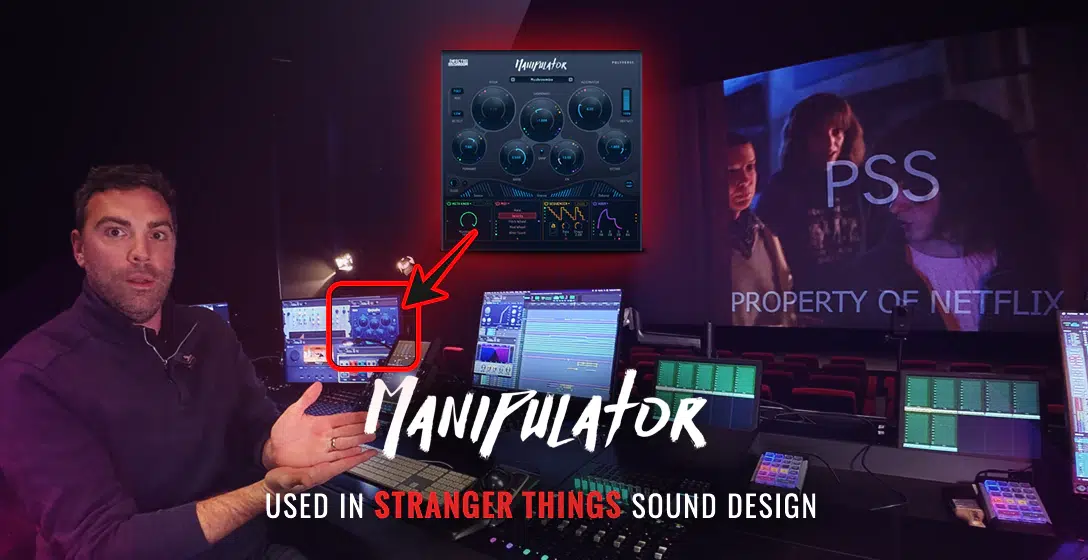
Deep inside Glen Glenn Studios, sound mixers Will Files and Mark Paterson rely on a sophisticated digital toolkit to recreate the terror of Netflix’s biggest hit. We were excited to see a familiar interface on their screens.
If one were to remove the flickering neon and the synth-heavy nostalgia of Netflix’s Stranger Things, the remaining silence would be deafening. Yet, it is within this sonic void that the true horror of the series is created. In a recent behind-the-scenes look at the mixing desks of Hollywood’s Glen Glenn Studios, re-recording mixers Will Files and Mark Paterson offered a rare glimpse into how they transform the familiar into the monstrous.
For keen-eyed viewers, the studio walkthrough presented an exciting sight: our own Polyverse Manipulator appeared on the team’s monitors.
The challenge facing Files and Paterson in this series is significant: creating a sonic identity for the show’s villains that feels ancient, oppressive, and inherently inhuman. While the mixers keep Vecna’s precise vocal chain a closely guarded secret, Manipulator’s appearance on their screens underscores the demands of modern cinematic sound design.
Known for its real-time vocal manipulation, Manipulator is frequently used by industry professionals for extreme pitch shifting, complex sound design, and intense stereo widening. In Stranger Things, where human voices are often stretched, lowered, and warped to echo from the walls of the Upside Down, it is precisely the kind of accurate tool needed to eliminate vocal vulnerability and replace it with a monstrous resonance.
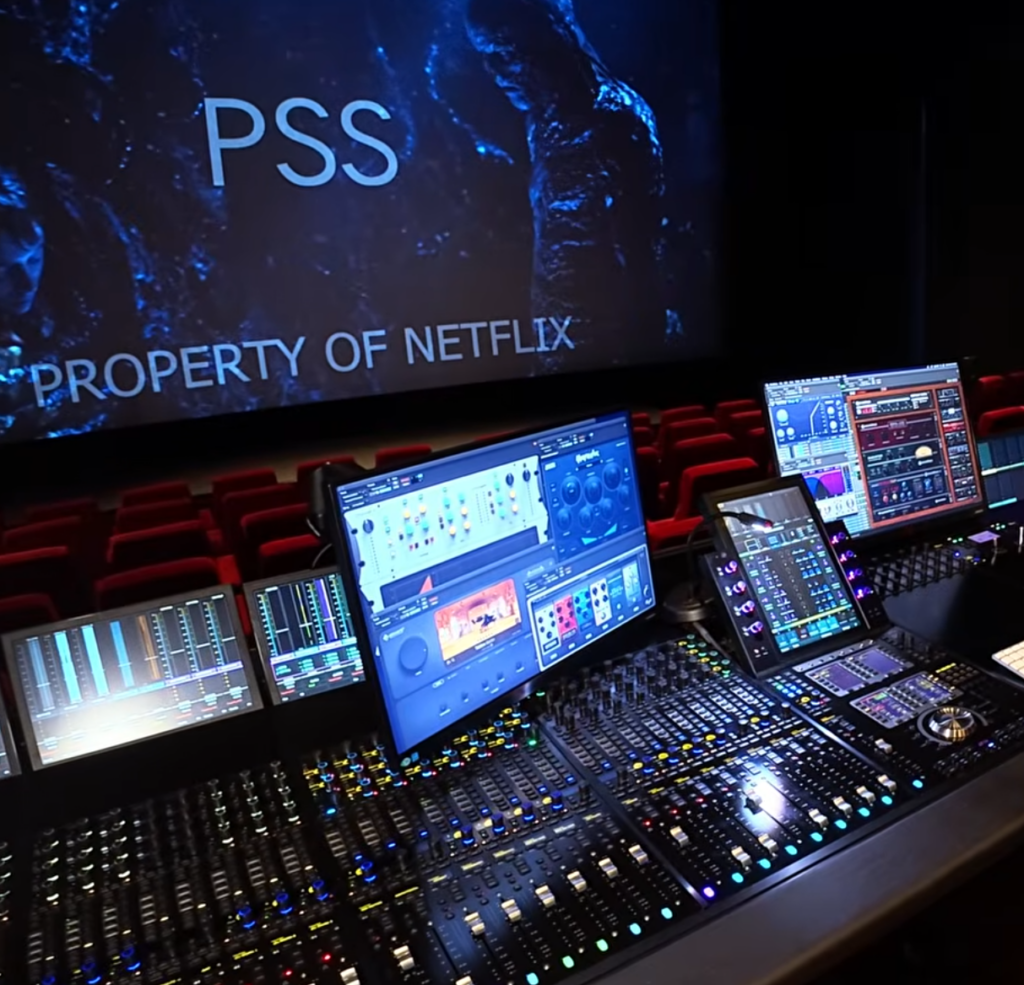
For viewers, the resulting terror feels visceral and real. For us at Polyverse, it is a quiet pride to see our algorithms on the desks of the industry’s best, helping to shape the nightmares of the Upside Down.
